My Dishwasher Won't Clean My Dishes: Dishwasher Maintenance Guide
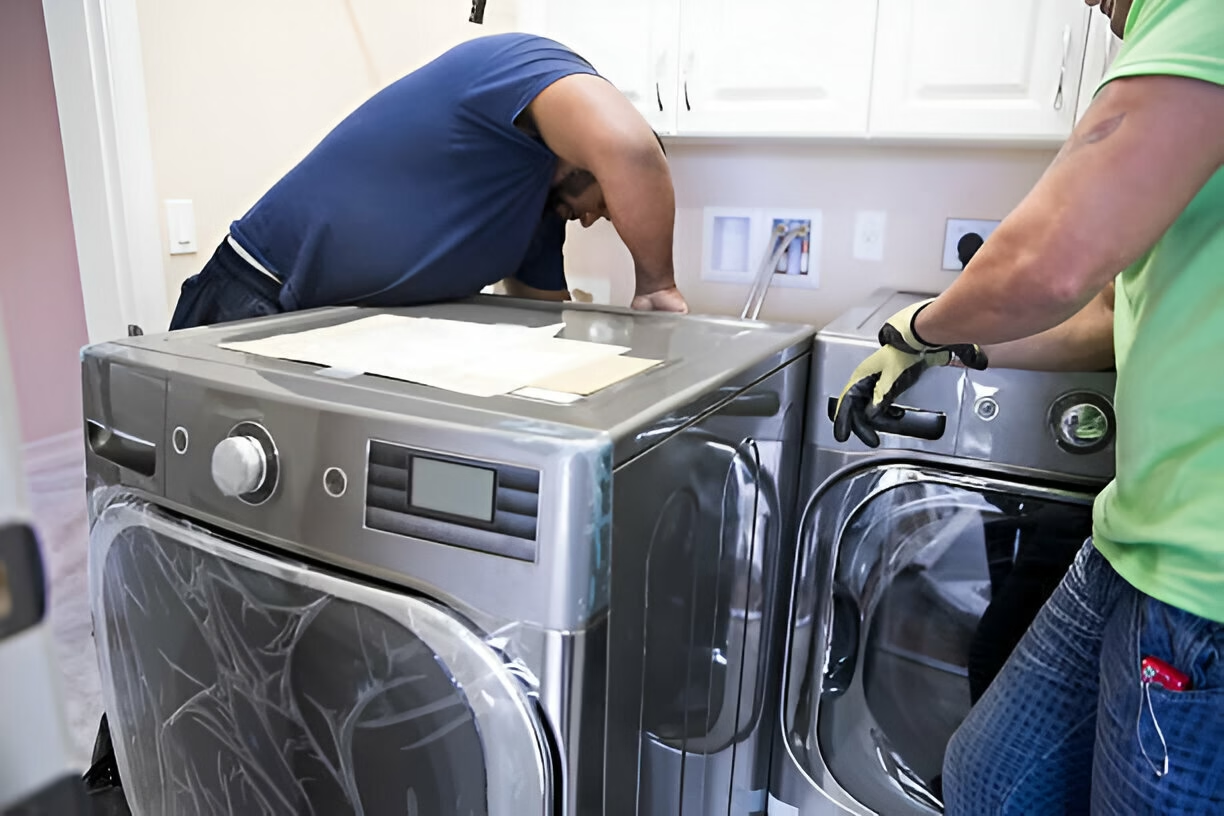
Your washing machine is an essential part of your household, keeping your clothes clean and fresh. But to ensure it lasts as long as possible and runs efficiently, regular maintenance is a must. Not only can this extend your washer’s lifespan, but it can also prevent costly repairs and water damage. With these easy-to-follow tips, you can keep your washing machine in top condition for years to come.
Table of Contents

Why Your Dishwasher Isn’t Cleaning Dishes
Why is my dishwasher not cleaning my dishes? Unfortunately, dishwashers are not magic machines that can be bought and never maintained. In order for dishwashers to do their job well, we must clean them on a consistent schedule.
The truth is that dishwashers need care to do their job properly. Over time, food particles, grease, and hard water build up inside. Water is unable to spray all the dishes evenly. This buildup also creates unpleasant odours and causes the machine to work harder.
Cleaning your dishwasher is not just about appearance. Regular maintenance helps your appliance last longer, keeps dishes spotless, and prevents costly repairs. If your dishwasher smells bad, struggles to drain, or leaves residue on glasses, it’s asking for your help.

Avoid Using Too Much Detergent:
Overuse of detergent can create excessive suds and leave residue in the washer and on your clothing. Measure carefully and follow the manufacturer’s instructions.
Don’t Overload the Washer:
Overloading can damage the drum and motor. Keep loads balanced and take bulky items like comforters to a laundromat with high-capacity machines. In a front loader you should never fill more than 3/4 the machine with loose dry clothing.
When to Clean Your Dishwasher

Unfortunately, there is not one correct time to clean your dishwasher. The consistency completely depends on the user’s habits. It is recommended that if a user regularly rinses the dishes before putting them in the dishwasher, a routine deep cleanse is required approximately every three to four months. If you skip rinsing, a monthly deep cleanse will suffice.
There is no clear answer on when we should be cleaning our dishwasher; however, there are signs. One clear sign is if your dishes don’t come out clean after a full cycle. Other signs are if you smell foul odours coming from your machine or if it does not drain the water properly.
Inspect Hoses:
Examine your washer’s hoses monthly for cracks, leaks, or wear. Replace them every three to five years to prevent water damage.

Deep Clean the Washer Interior:
Wipe down the drum and detergent dispenser with a damp cloth and dish soap. Run an empty hot cycle with a washing machine cleaner or white vinegar to remove mold, mildew, and residue.
Run a Sanitize Cycle:
Some washers have a built-in sanitize cycle. Use it monthly to keep your machine hygienic.
Who Should Clean Your Dishwasher
Although a deep cleanse of your dishwasher sounds like a difficult process, it isn’t! There is no sense in wasting money on a professional when you have the tools to clean at home. This task should take no more than two hours, giving you time to focus on your priorities.
Although cleaning your dishwasher is a relatively simple task, it is important to know when to call a pro. It is not common to call a professional for dishwasher cleanliness. Issues such as water leakage, unresponsive buttons, and strange noises are more critical and should be seen by a repairman.

Wipe Down the Door Gasket:
Mold and mildew can accumulate on the gasket (the rubber seal around the door). Wipe it weekly with a damp cloth to keep it clean and dry.
Remove Wet Clothes Promptly:
Leaving wet clothes in the washer can encourage mold and bacteria growth. Transfer laundry to the dryer immediately after a cycle.
Where Should You Be Cleaning in Your Dishwasher

Clean the filtration system
The filtration system (10) should be cleaned weekly. This is because this system filters food that the drain may have missed. A dirty filter could be the reason that your dishes come out greasy.
Spray Arms need cleaning
Other areas to focus on when cleaning are the spray arms (6) and the outside. Unclogging the holes in the spray arms helps them maintain a steady flow of water onto your dishes.
Outside of the dishwasher
Wiping down the outside of the dishwasher daily when you wash your counters maintains a fresh look that doesn’t disrupt the aesthetic of your kitchen.
How to Clean Your Dishwasher
You don’t have to deep clean every day, but small steps keep big problems away. Think of it like brushing your teeth. A little effort in the beginning often prevents a bigger mess later.
Clear Food Debris Daily
After each cycle, check the bottom of the dishwasher for food scraps. Use a paper towel or your fingers to remove any lingering debris. This keeps filters from clogging and prevents odours from forming. Even a few crumbs left behind can rot and cause a foul stench.
Wipe the Door and Gasket Weekly
Dishwasher doors and rubber gaskets collect grease, soap, and moisture. Once a week, grab a damp microfiber cloth and wipe around the edges. For tight corners, dip a soft toothbrush in warm water and scrub gently. Don’t forget the detergent dispenser, dirt often hides there.
Clean the Filter Weekly
The filter traps food bits that the drain can’t handle. When it gets dirty, water struggles to flow, and dishes come out greasy. Remove the filter carefully, rinse it under hot water, and scrub it with a toothbrush. Make sure to clean the cavity where the filter sits too. Instead of dish soap, use dishwasher detergent. Dish soap creates too many suds and can flood your machine. Always lock the filter back into place before starting a cycle.
These weekly habits stop the buildup before it becomes a big problem. They also keep your dishwasher smelling fresh.
Steps to Clean Your Dishwasher
Even with daily care, you’ll need to give your dishwasher a deep cleanse monthly or every few months, depending on your habits. This removes hidden grime, grease, and hard water deposits.
Step 1: Run a Vinegar Wash
Fill a dishwasher-safe cup with white vinegar and place it on the top rack. Run your dishwasher on the hottest cycle with no detergent and no dishes. The vinegar cuts through grease, dissolves mineral deposits, and neutralizes odours.
Step 2: Add a Baking Soda Boost
After the vinegar wash, sprinkle one cup of baking soda across the bottom of the rack. Run a short, hot cycle. Baking soda brightens the interior, removes stains, and leaves a fresh scent.
Step 3: Clean the Drain and Disposal
Dishwashers often share a drain with the garbage disposal. If the disposal is clogged, water can back up into your dishwasher. Start by pouring half a cup of baking soda down the drain, then add one cup of vinegar. Let it bubble for a few minutes before rinsing with hot water.
For a deeper cleanse, grind ice cubes and salt in the disposal. This scrubs away buildup on the blades. Toss in citrus peels, like orange or lemon, for a fresh smell.
Step 4: Scrub Spray Arms
Spray arms push water onto your dishes. When their holes clog, they lose a portion of their cleaning power. Remove the arms if possible and rinse them under warm water. Use a toothpick to poke out food particles. Wipe them down with a damp cloth before reattaching.
By adding these monthly steps to your routine, you’ll stop the buildup and keep your dishwasher running at full power.
Remember to Clean the Outside
It’s easy to forget about the outside, but fingerprints and streaks collect on the door and buttons. Wipe them weekly with hot, soapy water and rinse with a clean cloth. Dry with a towel to avoid water spots.
If you have a stainless-steel finish, wipe in the direction of the grain. Avoid harsh cleaners or abrasive pads that can scratch the surface. A little care keeps your dishwasher looking as great as it works.
Smart Tips for Long-Lasting Dishwasher Performance
You don’t need fancy tricks to keep your dishwasher in top shape. A few smart habits make all the difference.
Use Rinse Aid
Rinse aid does more than stop water spots on glasses. It prevents gunk from sticking inside the machine. It also keeps moving parts, like spray arms, lubricated so they work smoothly. Using rinse aid regularly by pouring it into the dispenser helps your dishwasher last longer. Finish Dishwashing
Watch for Warning Signs
If your dishwasher smells bad, drains slowly, or leaves streaks on dishes, it’s time for cleaning. Don’t ignore these early signs. Acting fast saves time and avoids bigger and more expensive repairs later.
Stick to a Cleaning Schedule
Daily, weekly, and monthly steps may sound like a lot, but they become routine quickly. Think of it this way: a few minutes of care keeps you from scrubbing dirty dishes by hand. If you rinse dishes well, deep cleaning every three to four months may be enough. But if dishes still come out dirty, your machine is overdue.
Frequently Asked Questions
Smells usually come from food stuck in the filter, drain, or spray arms. Cleaning these parts with vinegar, baking soda, and a toothbrush solves the problem.
It depends on your habits. If you rinse dishes well, clean them every three to four months. If not, aim for once a month.
No. Dish soap creates too many suds and can cause overflow. Always use dishwasher detergent or vinegar, and baking soda.
If cleaning doesn’t help, check the spray arms, drain, and water temperature. Sometimes, a service call may be needed if parts are worn.