What is the point of dryers if your clothes aren’t coming out fresh and dry? Your week is long enough without having to put on soggy socks because nothing is dry. A dryer that isn’t working does not always mean it is broken for good. Often, the problem comes from simple dryer maintenance that has been missed. By learning what to check, where problems often appear, why these problems happen, and how to fix them, you can feel cozy in your fresh, dry clothing.
What Can Stop a Dryer from Drying
Airflow Blockages
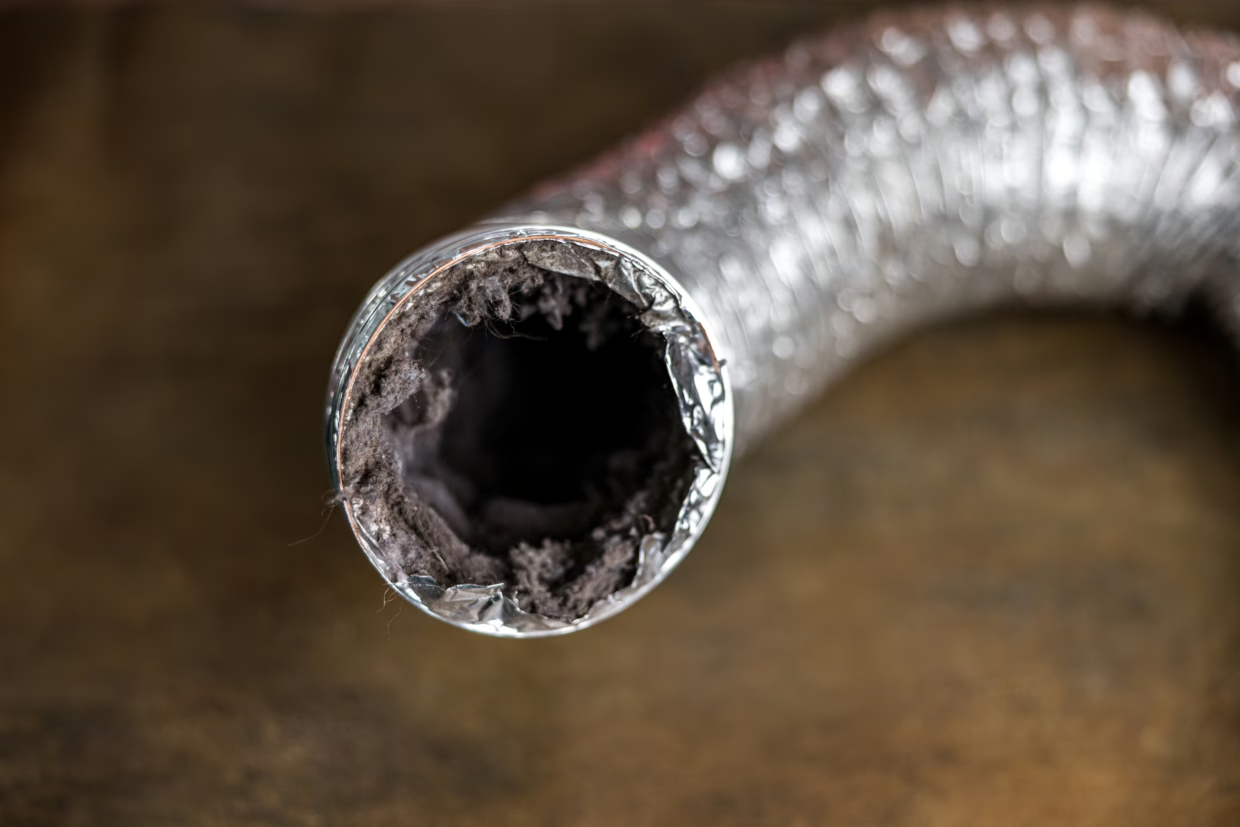
The most common problem with a malfunctioning dryer is blocked airflow. A clogged lint screen, a crushed vent hose, or ducts filled with lint keep air from moving. Without steady air, heat builds up inside the drum but cannot remove moisture from the clothes.
Load Size Issues
Another common issue is the load size. If the dryer is too full, air cannot reach every part of the load. If the dryer is too empty, sensors may shut it off too early.
Settings and Fabric Type
Settings also play a role. Thick fabrics on low heat can take hours, while delicate items on high heat may shrink.
Mechanical Failures
In some cases, the issue is mechanical. A broken heating element, belt, or fuse will stop the dryer from working. Knowing what can go wrong is the first step in solving the problem.
Where Problems Usually Happen
Lint Screen
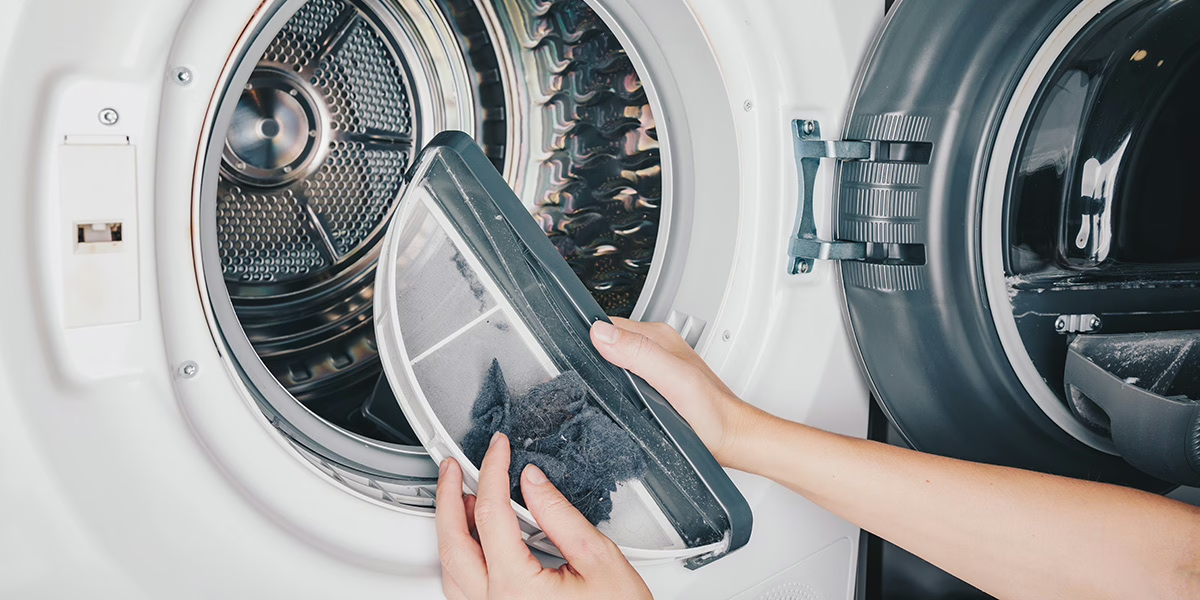
The lint screen is the easiest place to check. It collects fuzz, dust, and residue from every load. If it is dirty, airflow slows down right away.
Vent Hose
The vent hose behind the dryer is another common spot. This hose should be wide, short, and clear. If it is crushed, twisted, or too long, air will not escape.
Ductwork and Outside Vent Cover
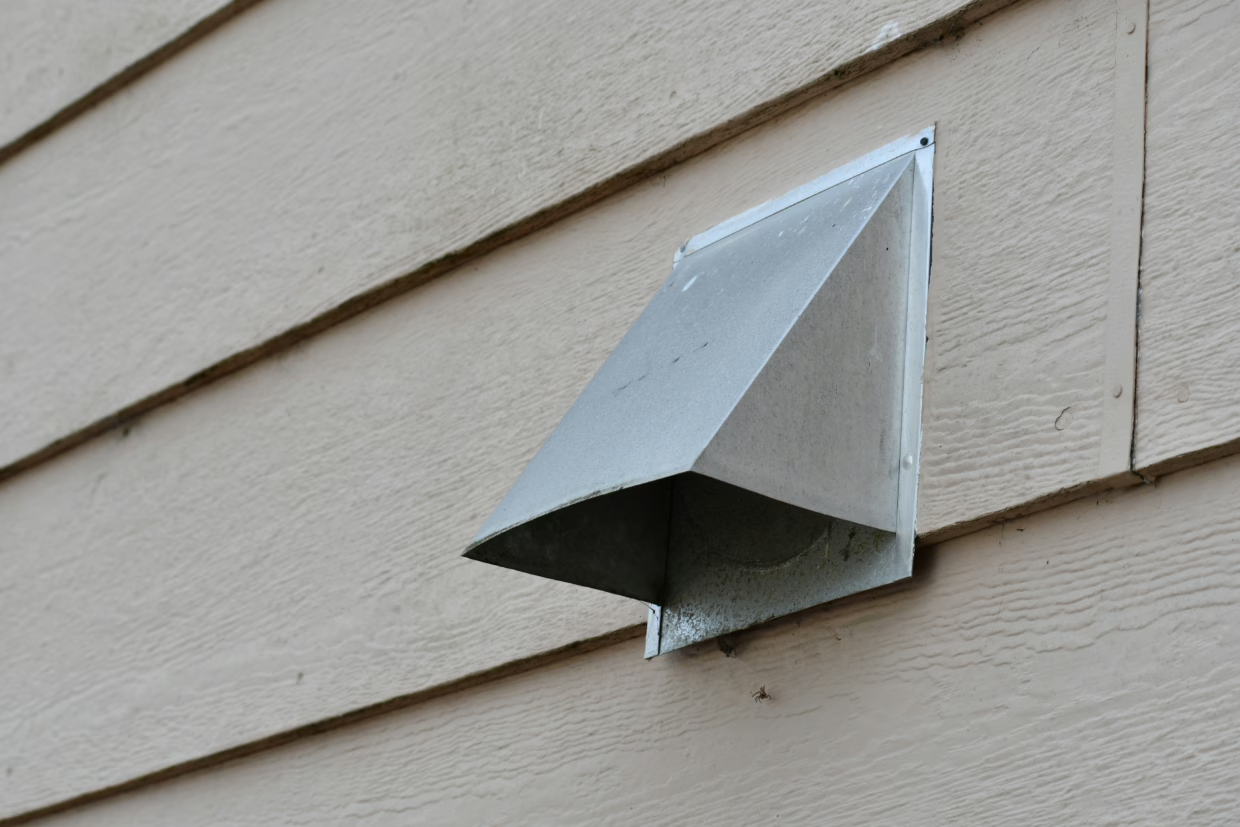
The ductwork that carries air outside also collects lint over time. Even a small layer of buildup can slow air. The outside vent cover can also get blocked by dirt, nests, or leaves.
Internal Dryer Parts
Inside the dryer, the heating element, sensors, belt, or fuse may fail. These parts are harder to check on your own. Still, knowing where to look helps you decide whether you can fix the issue yourself or need a professional.
Why Your Dryer Isn’t Working
Airflow Clogs
Airflow clogs happen because lint collects in tight spaces. Even if you clean the lint screen, tiny fibres escape and stick inside the ducts. Over time, this buildup makes it harder for the dryer to push out moist air. Without maintenance, the problem grows until drying takes much longer.
Load Problems
Load problems happen because of how the dryer is designed. Clothes must tumble freely so warm air can reach every surface. Overloading traps wet clothing in the center of the drum. Undersized loads confuse sensors, making the machine stop before the clothing is dry.
Environmental Issues
Sometimes the problem comes from the room itself. A cold, damp basement or a small, closed closet makes drying harder.
Mechanical Problems
Mechanical problems happen as parts wear out. The heating element may break after years of use. Belts can slip or snap. Sensors and fuses can fail. These issues are less common but usually require repair.
How to Fix and Prevent Dryer Problems
Now that you know what, where, and why, the next step is how to fix the problem and prevent it from happening again.
Start with dryer maintenance
Clean the lint screen before every load. Wash it with soap and water every few months to remove residue. Inspect the vent hose and replace it if it is thin, crushed, or bent. Clean the ducts that lead outside at least once a year. Use a vacuum to remove lint, and check the vent cover outdoors to ensure air flows freely.
Next, manage your loads wisely. Avoid filling the drum too full and split heavy loads into two. Add an extra towel if you have only a few items. Always match the cycle and heat setting to the type of fabric.
Check the environment
Keep the laundry space clear and well-ventilated. If the room feels damp, run a dehumidifier. If it feels too cold, try to raise the temperature.
Watch for signs of mechanical trouble
If the drum spins without heat, if you hear strange noises, or if you smell burning, stop using the dryer. Call a professional to inspect it. Fixing broken parts requires tools and safety knowledge. While this costs money, it keeps your dryer safe and working longer.
We Hope This Helps
When you say, “My dryer isn’t drying my clothing,” it helps to have a plan. Start with airflow, since lint and blocked vents are the most common issues. Move on to load size and settings, then check the environment around your dryer. If none of these tricks solve the problem, the issue is likely mechanical and may need professional repair.
With regular dryer maintenance, you can prevent most problems before they start. Cleaning lint, checking vents, and sizing your loads properly all protect your machine. These small steps save energy, lower fire risk, and keep your clothing in better condition. Most importantly, they stop the frustration of damp laundry and ensure that your dryer is always ready when you need it.