
Getting a new appliance is exciting. But a successful appliance installation in Edmonton starts well before the delivery truck pulls up. A little prep work on your end makes the whole process faster, smoother, and a lot less stressful for everyone.
This guide covers exactly how to prepare your home, what each appliance needs on installation day, and what to do if your home’s utilities need an upgrade first. Luis handles all of it, and when something falls outside appliance installation, he points you in the right direction.
How to Prepare for the Arrival of Your New Appliance
Most installation problems happen because the home was not quite ready. A fridge that will not fit down the hallway. A dryer with no gas line nearby. A dishwasher opening that nobody measured in years. Fortunately, all of these are avoidable. Work through the four areas below before delivery day, and you will save yourself a lot of headaches.
Clear and Measure the Path
Your new appliance needs a clear, wide path from the front door to its final spot. This sounds simple, but it catches homeowners off guard all the time. Start here first.
Measure Doorways
Measure every doorway the appliance will pass through, the front door, any hallways, and the room entrance. Write down the width and the height. Then compare those numbers to the dimensions on your appliance spec sheet. Also pay attention to depth. A fridge that clears the opening can still get stuck if the handles add a few inches you did not account for.
Clear the Route
Remove shoes, rugs, furniture, and anything else blocking the path. Move fragile items off nearby shelves and walls. Installation teams work quickly, so a clear route protects your belongings and keeps the job moving on schedule.
Exterior Access
In Edmonton, delivery often means navigating icy steps or snowy walkways. Clear the path from the street to your front door before the crew arrives. Also make sure any gate to a side or back yard is unlocked if that is the planned entry point. A little shoveling ahead of time prevents a lot of frustration on the day.
Prep the Appliance Installation Space
Once the appliance gets through the door, it needs a space that is ready for it. That means the right dimensions, a clean surface, and no old appliance sitting in the way.
Take Accurate Measurements
Measure the installation space carefully — width, depth, and height. Also note any overhead cabinets, countertop overhangs, or trim pieces that could affect fit. Then compare your measurements to the appliance spec sheet one more time. If something is off by even half an inch, it is far better to discover that now than when the delivery team is standing in your kitchen.
Remove the Old Appliance
If you are replacing an existing appliance, disconnect and remove it before the team arrives. This is especially important for gas appliances. Always hire a licensed professional to disconnect a gas line. Do not attempt it yourself.
Clean the Area
Sweep and wipe down the installation space before the team arrives. Dust, grease, and debris can interfere with leveling and utility connections. A clean space also makes it easier to spot any issues with the flooring, walls, or hookups before installation begins.
Verify Utility Hookups Before Appliance Installation Day
This is the step most Edmonton homeowners skip. It is also the one that causes the most delays. Before your new appliance arrives, confirm that the right utilities are available and in the right location.
Electrical
Check that the outlet type and voltage match your new appliance. A standard fridge or dishwasher typically needs a grounded 120V outlet. Electric ranges, dryers, and some ovens, however, require a dedicated 240V outlet. If the right outlet is not already in place, contact a licensed Edmonton electrician before scheduling your installation.
Water and Gas
Fridges with ice makers and dishwashers need a nearby water supply line and a drain. Washing machines need both hot and cold water connections plus a drain. Gas appliances such as ranges, dryers, and cooktops need a gas shutoff valve within reach of the installation space. If any of these are missing or in the wrong location, call a licensed plumber or gas fitter before delivery day.
New Connection Kits
Do not assume old hoses, supply lines, or gas connectors will work with your new appliance. They often cannot. Most professional appliance installation services in Edmonton supply new connection kits as part of the install. Confirm this ahead of time so there are no surprises on the day.
Delivery Day Logistics
Even with excellent prep, delivery day needs some active attention from you. Here is what to keep in mind once the team shows up.
Be Present
Be home and available for the full delivery window. The installation team will have questions, and they may need you to confirm placement before they finish. If you are not there, the job may not go ahead at all.
Protect Your Floors
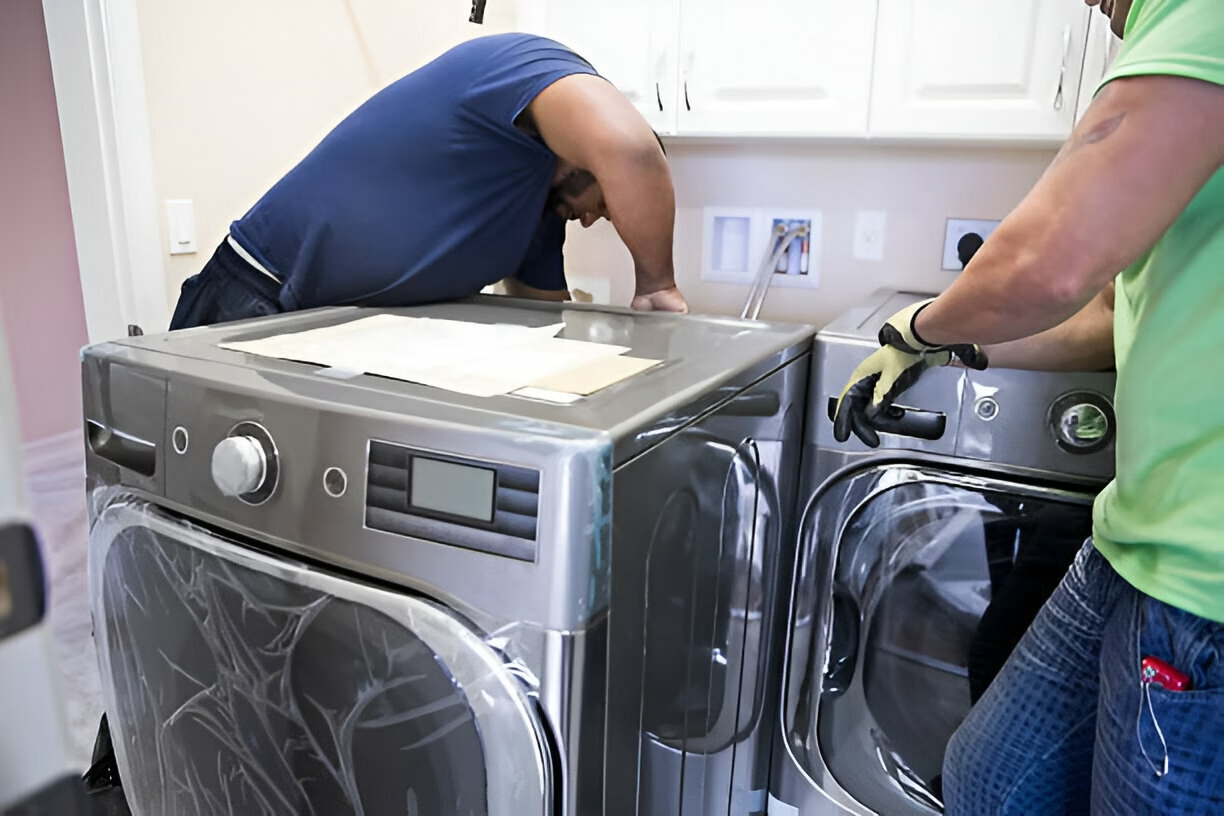
Heavy appliances scratch hardwood, scuff tile, and dent vinyl. Lay down cardboard or protective mats along the route before the team arrives. This is especially worth doing in older Edmonton homes where original flooring is difficult to replace.
Inspect for Damage
Before the team leaves, inspect the appliance carefully. Check for dents, scratches, and any damage that may have happened in transit. Test the basic functions if possible. If you notice a concern, report it to the retailer or installer right away. Once the crew leaves, it becomes much harder to resolve.
Professional Appliance Installation Services in Edmonton
Luis installs all major home appliances across Edmonton. For each appliance type below, you will find the installation requirements, common issues to watch for, and what Luis can do if your home needs some upgrading before the new appliance goes in.
In many cases, the existing hookups, wiring, or cabinetry work just fine. In other cases, something needs attention first. Luis assesses everything on site, gives you honest advice, and refers you to a licensed trade if the work falls outside appliance installation. You will always know exactly what you need before anything starts.
Microwave Installation
OTR and Built-In
Over-the-range and built-in microwaves need proper mounting, ventilation setup, and a dedicated electrical connection. Luis handles the full install, including securing the unit to the cabinet and connecting the ventilation correctly.
What to watch for: OTR microwaves need adequate clearance above the range and a suitable mounting surface. Built-in units need cabinetry that matches the appliance dimensions. If your cabinet opening needs adjustment or your wiring needs an upgrade, Luis assesses it on site and refers you to the right trade if needed.
Refrigerator Installation
Built-In and Panel-Ready
Built-in and panel-ready refrigerators need precise fitting, leveling, and a water line connection for ice makers and water dispensers. Luis ensures the fit is right, the fridge sits level, and the water line connects properly.
What to watch for: Older Edmonton homes sometimes lack a water supply line near the fridge location. In addition, built-in units require very specific cabinet clearances that do not always match older kitchen layouts. Luis checks all of this during the visit. If you need a new water line, he refers you to a licensed plumber.
Oven Installation
Gas, Electric and Double
Oven installation varies significantly by type. Gas ovens need a safe gas line connection and a leak test after install. Electric ovens need a dedicated 240V circuit. Double ovens add extra weight and complexity on top of that.
What to watch for: Many older Edmonton homes only have a standard 120V outlet in the oven location. If your home needs a 240V circuit, Luis identifies that during his assessment and refers you to a licensed electrician. For gas ovens, he also confirms that the existing shutoff valve is in good working order and advises you if it needs replacement before installation goes ahead.
Rangehood Installation
Vent and Chimney
A rangehood that is not properly ducted does not remove smoke, grease, or odors from your kitchen. It simply recirculates them. Luis installs vent and chimney hoods with correct ducting, proper sealing, and a working electrical connection.
What to watch for: Many homes have no duct path to the exterior, or the existing duct run is too long or has too many bends to work effectively. Luis assesses the ductwork during his visit. If the duct path needs significant modification, he advises you on the best approach and connects you with the right trade to handle that portion of the work.
Dishwasher Installation
Undercounter
Undercounter dishwasher installation involves a water supply connection, a drain hookup, and an electrical connection. Luis also secures the unit to the cabinet to prevent movement during wash cycles. A dishwasher that moves around during a cycle damages flooring and cabinetry over time.
What to watch for: The water supply valve under the sink sometimes shows signs of age or corrosion. The drain connection point also needs to meet local code requirements. Luis checks both during his assessment. If the supply valve or drain setup needs attention, he refers you to a licensed plumber before the install proceeds.
Electric Range Installation
Slide-In
Slide-in electric ranges sit flush with your countertop for a clean, built-in look. They need a dedicated 240V connection and careful placement to fit the cutout without leaving gaps at the sides.
What to watch for: Older kitchens often have a freestanding range opening that does not match slide-in dimensions. Furthermore, if your home does not have a 240V outlet at the range location, you will need an electrician to install one first. Luis confirms the opening dimensions and checks the electrical setup during his visit, then tells you exactly what needs to happen before the install.
Dryer Installation
Electric, Gas and Stacked
Electric dryers need a 240V outlet and proper venting to the exterior. Gas dryers need a gas connection, exterior venting, and a 120V outlet for the controls. Stacked laundry units add a stacking kit and precise leveling on top of all of that. In every case, incorrect venting is a fire hazard. This is not a DIY job.
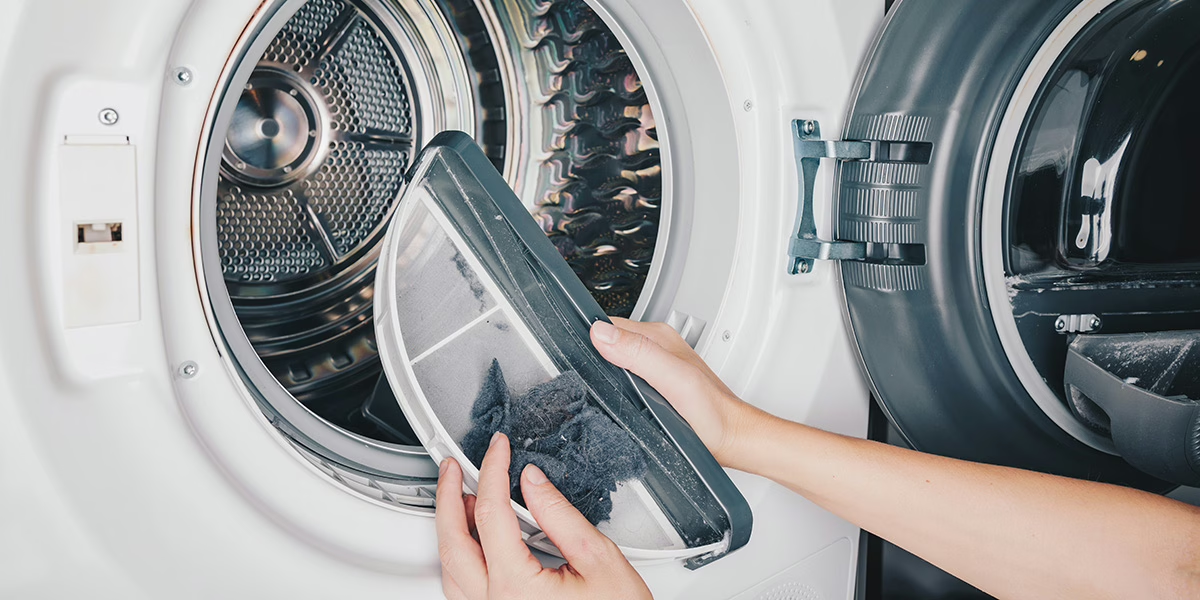
What to watch for: Dryer vents collect lint over time and can become restricted or even blocked. Before Luis installs your new dryer, he checks the existing vent run for obstructions and proper length. If the vent needs cleaning or rerouting, he advises you accordingly. For gas dryers, he also checks the shutoff valve and refers you to a licensed gas fitter if it needs replacement.
Washer Installation
Top Load and Front Load
Washers need hot and cold water connections, a drain hose that runs into a standpipe or laundry sink, and a grounded 120V outlet. Front-load washers also need careful leveling to prevent vibration and noise during the spin cycle.
What to watch for: Washing machine supply hoses degrade over time and can fail without warning. Consequently, Luis installs new hoses as part of every washer installation rather than reusing old ones. If the standpipe or drain connection does not meet code, he identifies that during his assessment and refers you to a licensed plumber to bring it up to standard.
Cooktop Installation
Gas, Electric and Induction
Cooktop installation involves cutting into your countertop, connecting utilities, and sealing the unit at the countertop edge to keep moisture and grease from getting underneath. Gas cooktops need a gas line connection and a leak test. Electric and induction cooktops need the right dedicated circuit.
What to watch for: Countertop cutouts from older cooktops rarely match the exact dimensions of a new model. Moreover, gas cooktops require a flexible connector that meets current Alberta safety standards, older connectors often do not. Luis measures the cutout and checks the gas connector during his assessment. If either needs work, he tells you exactly what a licensed electrician or gas fitter needs to do before installation begins.
Book Your Appliance Installation in Edmonton Today
Luis has been helping Edmonton homeowners with appliance installation for years. He shows up on time, treats your home with care, and gives you straight answers about what your home needs. Whether you are installing one appliance or outfitting an entire kitchen, you can count on the job getting done right.
Not sure if your home is ready? Reach out before delivery day. Luis is happy to talk through what your specific appliance needs and help you plan ahead so installation day goes smoothly.